
 |
Brochure Download Here
|

| Home |  |
Our Services | |
The people we support | |
Supporting you | |
Our skilled support | |
About Us | |
Working for us | |
Recruitment |

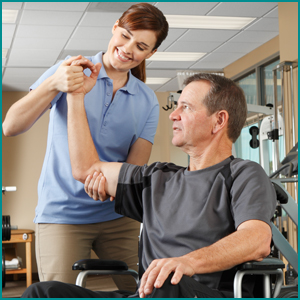
Working with your therapists and goals Our highly trained and skilled support team help run programmes set by your therapists through daily practical and functional goals that are relevant to you. We want you to ‘get on and enjoy your life’; therefore, therapy goals are integrated into your daily life alongside personal goals such as going to college, increasing your social network or developing your relationships. We work with you and your team to find out what your goals are and plan the steps to help you achieve them. We will work with your community NHS or private therapy teams. If you require additional therapeutic support we can help you source neuro-occupational therapy, neuro-physiotherapy, neuro-speech and language, vocational rehabilitation and music therapy as part of your support package. We appreciate rehabilitation can be hard work, so we place great importance on balancing out this effort with positivity, good humour and a good level of fun. This way you are more likely to progress and realise your goals. Support planning, Outcome measures and reviews Our support plans are ABI specific, person-centred and designed to adapt rapidly to your changing needs. We hold regular multidisciplinary Team (MDT) reviews to discuss your progress, and alongside your weekly support worker meeting you have the opportunity to have a 1:1 discussion with staff to run through your achievements for the day and any concerns you may have. Where useful to your progress, we utilise recognised outcome measures such as the St Andrew’s and Swansea Neurobehavioural Outcome Scale (SASNOS), measured goals setting through ‘Goal Attainment Scaling’ (GAS) and measuring independent life skills via the Care Dependence Scale (CDS). Individual therapists will also utilise measures and systems relevant to their discipline. Person-centred support At Ariya we believe you should be in control of your rehabilitation and care. We have a person-centred ethos, and work with you to maximise your engagement, decision-making and autonomy through personalised support planning. Where individuals have limited capacity to make more significant life decisions, we support them to make key decisions by taking into account their likes and dislikes, and we work with their supporting relatives and care team to find the best solutions. Family and friends We welcome your family input as our rehabilitation model is based on
holistic team work. |
|

|
||||||||
| © 2015 Ariya Neurocare, All Rights Reserved. |